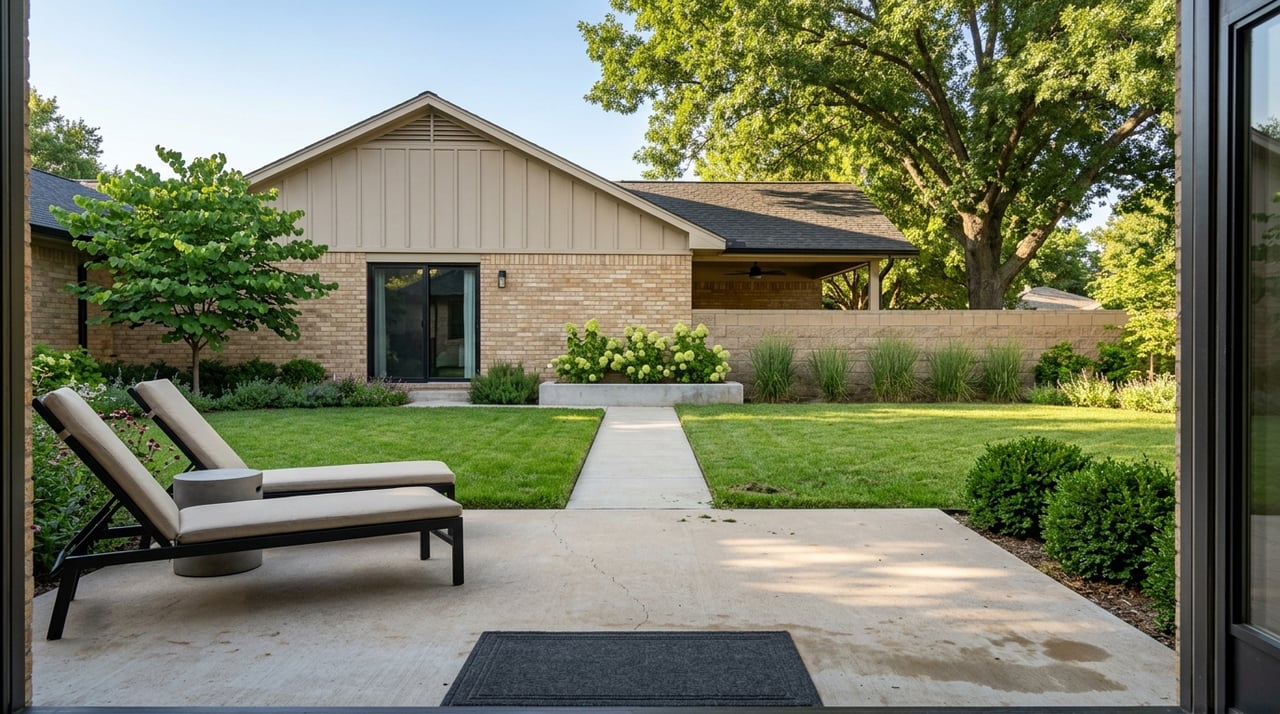
Looking for a place where outdoor time can fit into your everyday routine, not just your weekend plans? In Piedmont, that idea feels especially relevant. If you are thinking about moving to the area, or selling a home here, it helps to understand how parks, trails, and yard space shape daily life. Let’s take a closer look at what outdoor living in Piedmont actually offers.
Why outdoor living stands out in Piedmont
Piedmont sits in the far northeast corner of Canadian County and covers more than 43 square miles. City information describes it as about 20 miles northwest of downtown Oklahoma City, with access through the Kilpatrick Turnpike and Northwest Highway corridors.
That location gives Piedmont a suburban-edge feel with room to breathe. It is close enough for commuting needs, but its setting supports a lifestyle where parks, open space, and time outside feel like a natural part of the day.
The city also describes a moderate, outdoor-oriented climate with four distinct seasons and average annual rainfall of 31.38 inches. Local terrain ranges from river valleys and hills to canyons, sand dunes, and rock and gypsum formations, which adds to the sense that this is a place where the outdoors matters.
Piedmont parks you can use now
When people ask where they can actually spend time outside in Piedmont, the clearest answer starts with the city’s current park system. The Parks & Recreation Department says it works to provide safe, attractive recreational areas, maximize existing parks, and sponsor events and activities.
The city says Piedmont currently offers a Community Center, a splash pad, and a neighborhood park. That points to a smaller municipal system with practical, neighborhood-scale amenities rather than a large regional park network.
Piedmont Community Park highlights
Piedmont Community Park is the city’s most clearly listed park amenity. It is located at 130 Gooder Simpson Blvd. and is open from 6 a.m. to 10 p.m., which makes it useful for both daytime outings and after-work visits.
According to the city, amenities at Piedmont Community Park include:
- ADA accessibility
- Basketball court
- Grills
- Lighting
- Parking
- Pavilion
- Picnic areas and shelters
- Picnic tables
- Playground
- Restrooms
- Volleyball
- Water
That mix makes the park easy to picture as an everyday gathering spot. You can plan a quick playground stop, meet friends for a picnic, or head over in the evening when the weather is more comfortable.
A practical outdoor routine
For many buyers, the value of parks is not just the feature list. It is how easily those features fit into normal life. A park with restrooms, parking, seating, lighting, and open hours until 10 p.m. can support everything from a short weekday break to a longer weekend visit.
For sellers, that same convenience can help explain the appeal of the area. Buyers often want to know what life looks like beyond the front door, and access to usable community amenities is part of that picture.
Trails in Piedmont: what is planned and what it means
Piedmont also has a long-term Master Trails Plan created after several public meetings. The city says the plan is designed to increase recreational opportunities, integrate trails into neighborhoods, create a continuous trail within the city, create safe routes downtown and to schools, raise awareness of trail benefits, and protect natural resources.
That vision matters because it shows how Piedmont is thinking about connectivity, not just isolated park spaces. At the same time, it is important to separate today’s amenities from future plans.
Planned routes to watch
The trail plan map names several routes that help illustrate how neighborhood connections may grow over time. These include:
- Piedmont Rd/Olde Town Trail, 1.0 mile
- Piedmont Park Trail, 1.3 miles, connecting to the new Piedmont Park
- Subdivision Trail, 1.3 miles, collecting spurs from Winding Creek, Eastwind Estates, and Rolling Prairie Estates
- Intermediate School Trail, 0.6 mile
- High School Trail, 0.7 mile
The map also references other priority alignments, including a 24.7-mile set of multi-use trail routes excluding Chisholm Trail, a 4.0-mile NW 178th Street share-the-road corridor, and a 1.8-mile Cottonwood Creek Reservoir nature trail.
Why the planning matters
Even if parts of the trail network are still proposed or prioritized rather than fully built, the plan still tells you something useful. It shows that the city is intentionally thinking about how neighborhoods, parks, downtown routes, and school access can connect over time.
That can be especially helpful if you are comparing areas based on long-term livability. A planned trail system does not guarantee the same experience as a completed one, but it does reflect a clear direction for community growth.
Neighborhoods and outdoor feel
One of the more interesting parts of Piedmont is that outdoor living will not look exactly the same from one property to the next. The city’s zoning districts allow a broad residential range, from larger acreage-style settings to more traditional single-family subdivision lots.
City zoning includes A-1 agricultural with a 5-acre minimum, RE rural estate at 1 acre minimum, RE-2 rural estate at 0.5 acre minimum, RS-1 single-family at 12,500 square feet, and RS-3 single-family at 10,000 square feet. In practical terms, that means the sense of space can vary quite a bit depending on where you look.
What buyers may notice
If you are house hunting in Piedmont, you may come across neighborhoods and areas with very different outdoor setups. Some properties may lean toward a more spacious, rural-estate feel, while others may offer a more conventional subdivision layout with usable yard space and neighborhood connections.
The city’s trail planning map also references places such as Olde Town, Winding Creek, Eastwind Estates, Rolling Prairie Estates, Skyline Estates, Golden Hills, and Circle V Ranch Estates. For buyers, that means it is worth looking at not just the house itself, but how the surrounding streets, lots, and planned connections fit your lifestyle.
What sellers should keep in mind
If you are preparing to sell in Piedmont, outdoor features may deserve more attention in your home presentation. Yard size, patio space, nearby parks, and easy access to neighborhood routes can all help buyers picture how they would use the property.
That does not mean every home needs acreage to stand out. In many cases, a well-kept yard and a clear connection to nearby amenities can be just as important.
How city planning supports outdoor living
Outdoor appeal in Piedmont is not happening by accident. City building guidance says new construction must comply with zoning, subdivision regulations, and the city’s 2040 Comprehensive Plan.
That kind of framework matters because it suggests Piedmont’s neighborhood form is being shaped through an organized planning process. For buyers and sellers alike, that can offer a little more confidence about how the area is evolving.
The city also has a Parks & Recreation Board that advises on operations, beautification, rules, physical improvements, financing, acquisition, and maintenance. It is also charged with developing a plan for the community’s parks and recreational needs.
In simple terms, there is an official structure behind how Piedmont thinks about public outdoor space. That is a positive sign for residents who value community amenities and long-term upkeep.
What this means for your home search or sale
If outdoor living is high on your list, Piedmont gives you several things to consider. You have a current community park with practical amenities, a neighborhood-scale parks system, and a trail vision aimed at improving connections across the city.
You also have housing patterns that can range from larger lots to more traditional suburban homesites. That variety can be a real advantage if you want to match your home choice to your day-to-day lifestyle.
For buyers, the key is to look beyond listing photos and ask how a home connects to the way you want to live. For sellers, the key is to show how your property fits into the broader Piedmont experience, including yard space, nearby amenities, and the everyday convenience of the area.
If you are thinking about buying or selling in Piedmont, local guidance can help you narrow in on the neighborhoods and features that best fit your goals. Connect with The Davis Group for expert help navigating the Piedmont market.
FAQs
What parks are currently available in Piedmont?
- The city says Piedmont offers a Community Center, a splash pad, a neighborhood park, and Piedmont Community Park, which includes amenities like a playground, picnic areas, restrooms, grills, parking, and sports courts.
What are the hours for Piedmont Community Park?
- Piedmont Community Park is listed by the city as open from 6 a.m. to 10 p.m.
Does Piedmont have walking or biking trails?
- Piedmont has a Master Trails Plan with named existing, priority, and proposed routes, so it is important to confirm whether a specific trail connection is already built or still in planning.
What neighborhoods are referenced in Piedmont trail planning?
- The city’s trail plan references areas including Olde Town, Winding Creek, Eastwind Estates, Rolling Prairie Estates, Skyline Estates, Golden Hills, and Circle V Ranch Estates.
Do homes in Piedmont usually have larger yards?
- Yard size can vary because Piedmont’s zoning allows everything from larger agricultural and rural estate lots to more standard single-family lots.
Why does outdoor living matter when buying a home in Piedmont?
- Parks, open space, neighborhood connections, and yard size can all affect how a home feels day to day, so they are important factors to consider alongside price, layout, and commute.