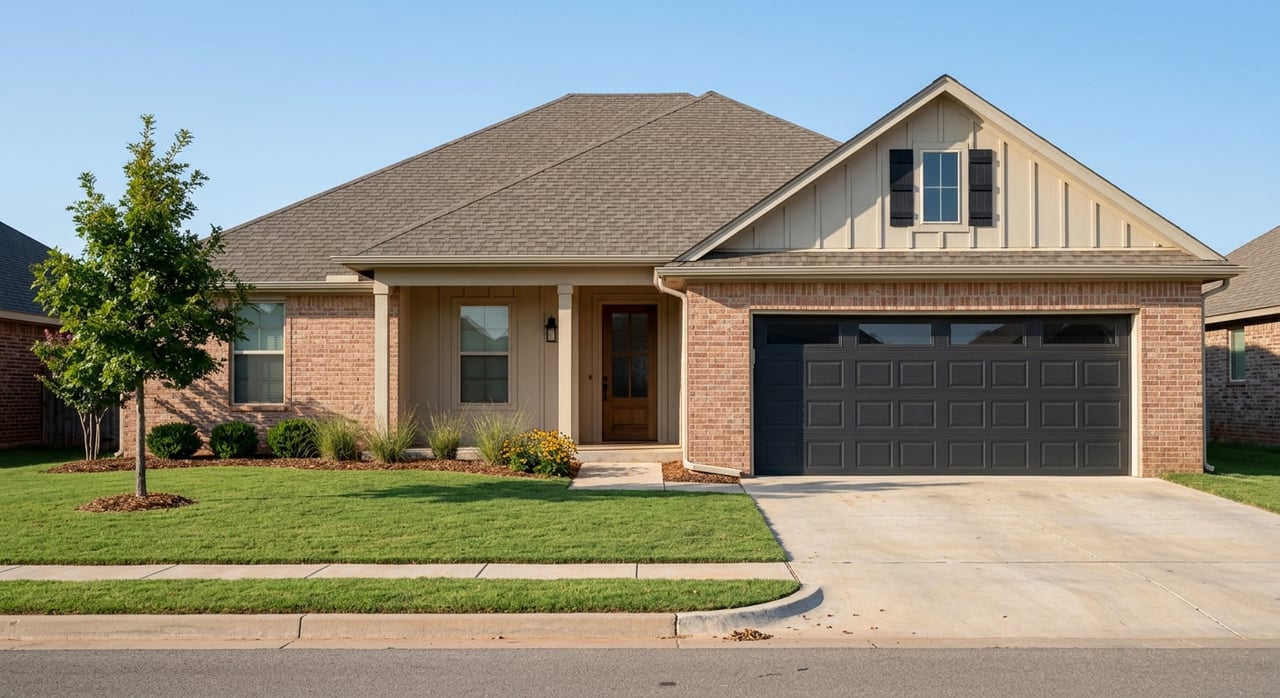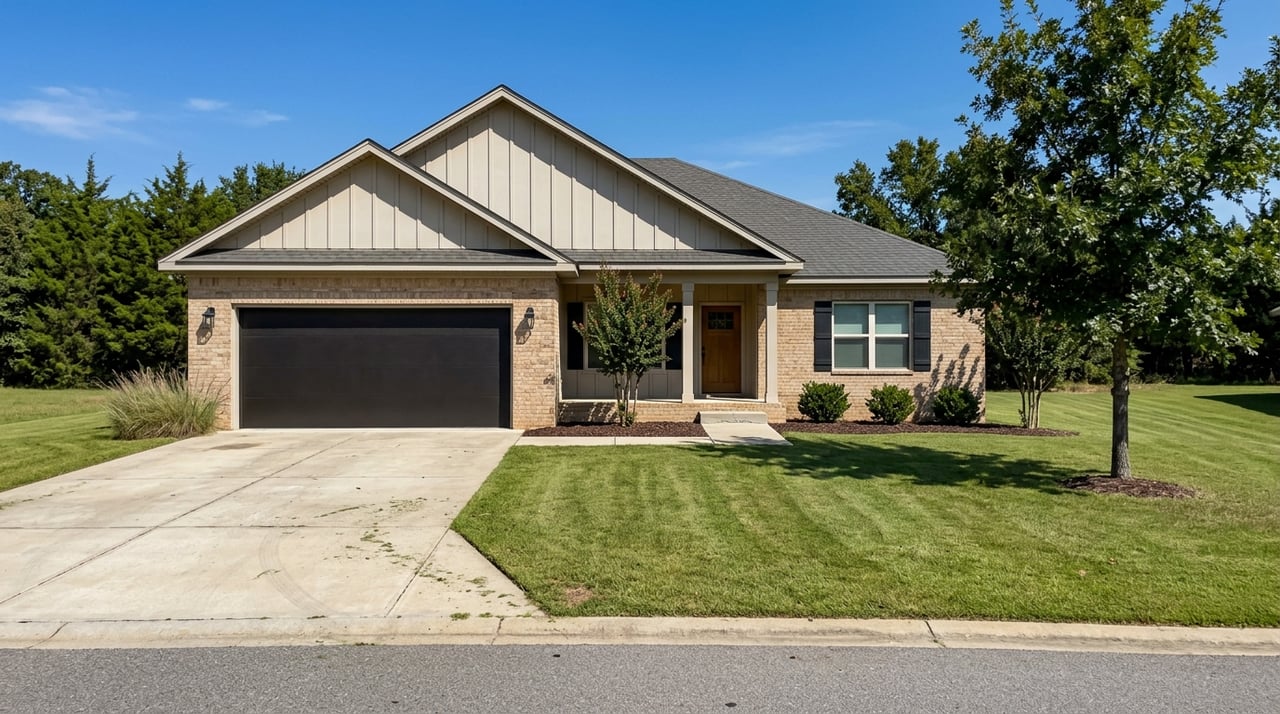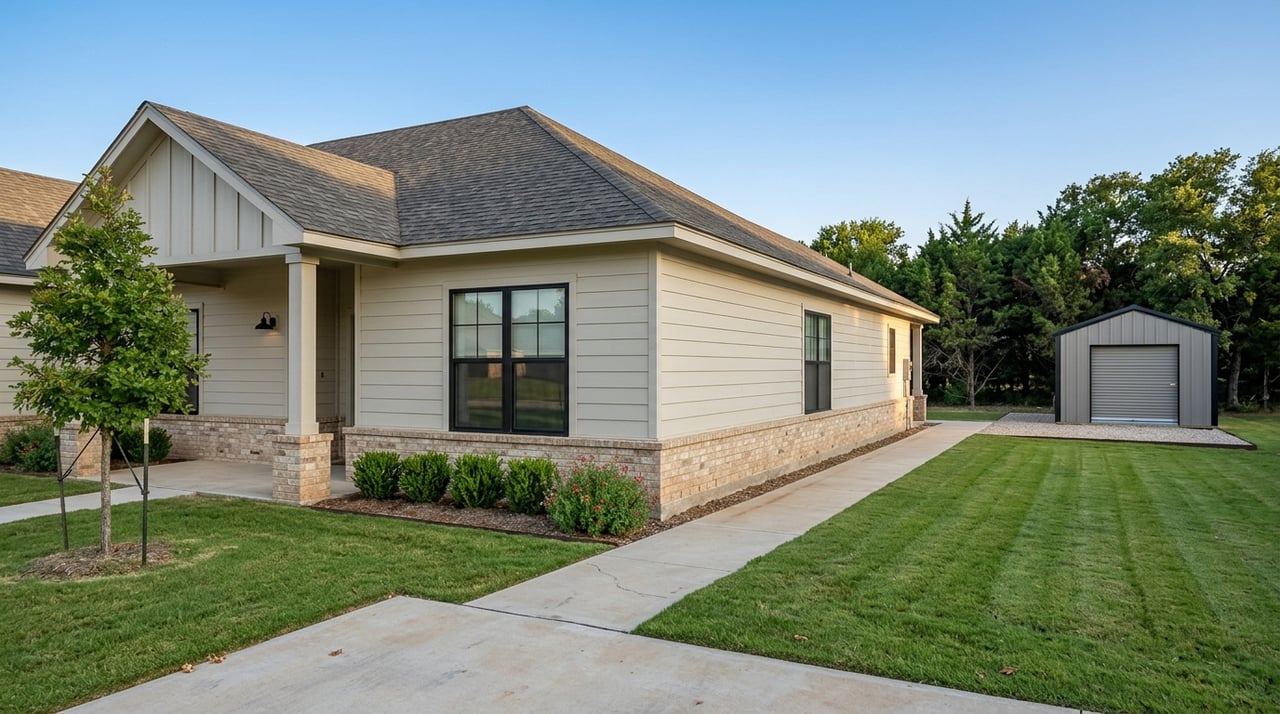
Trying to decide between a little more land and a more traditional neighborhood in Newcastle? You are not alone. For many buyers, this choice comes down to how you want your daily life to feel, from privacy and upkeep to utilities and commute time. This guide breaks down the biggest differences so you can choose the Newcastle lifestyle that fits you best. Let’s dive in.
Why Newcastle draws both types of buyers
Newcastle offers a mix that many Oklahoma buyers are looking for. It is a fast-growing city in McClain County, with an estimated population of 15,198 in 2025, an owner-occupied housing rate of 83.7%, and a median household income of $93,398.
It also sits in a practical location for people who want access to the Oklahoma City metro without giving up a smaller-city feel. The city notes prime access to I-35, I-44, and the H.E. Bailey Turnpike, and places Will Rogers World Airport about 15 minutes away.
That combination helps explain why Newcastle is not a one-size-fits-all market. Some buyers want room to spread out, while others want the convenience of a more standard neighborhood setting.
Acreage living in Newcastle
Acreage and estate-style living in Newcastle is shaped by the city’s zoning options. Newcastle specifically includes General Agricultural, E-1 Suburban Estate Residential, E-2 Urban Estate Residential, and E-3 Residential Estates districts.
The city describes General Agricultural land as being outside the path of urban development, where water and sanitary sewer services are not available. E-1 is described as larger homes on above-average lots with considerable private open space and room for limited horses or livestock.
E-3 is described as the smallest lot size appropriate for single-family development in areas not served by public sanitary sewer. The city also notes that these areas are typically within acceptable response time for police and fire protection.
What acreage can offer you
If you are drawn to acreage, the appeal is usually easy to understand. You may get more privacy, more open space, and more flexibility in how the property feels and functions day to day.
That extra space can be a strong fit if you want distance from nearby homes or simply like the idea of a larger homesite. In Newcastle, that preference lines up with the city’s estate and agricultural zoning structure.
What to check before you buy acreage
With acreage, utility details matter. Newcastle’s building permit form separately asks whether a home will use public water or a private well, public sewer or septic or aerobic service, and whether a perc test is required.
That means you should not assume an acreage property will work like a typical suburban home. In and around Newcastle, those details need to be verified property by property.
You will also want to think about day-to-day upkeep. Larger lots and private open space often mean more mowing, fencing, and driveway care, which is a practical tradeoff that comes with more land.
Neighborhood living in Newcastle
Subdivision living in Newcastle follows a different pattern. The city’s subdivision regulations are designed to guide growth and provide light, air, privacy, and fire and flood protection, while also ensuring adequate transportation, water, sewerage, parks, schools, and utilities.
That policy foundation supports a more predictable neighborhood setup. It is part of why many buyers see subdivisions as the simpler option for everyday living.
Within Newcastle’s zoning code, R-F-1 is the most restrictive urban-density residential district. R-F-2 anticipates smaller lots and states that developments in that district should be fully served by municipal water and sewer systems.
What neighborhood living can offer you
If you prefer neighborhood living, the biggest advantage is often convenience. Homes are typically on smaller lots, closer together, and planned around more standardized streets and city services.
That can make budgeting and maintenance feel more predictable. For many buyers, that simplicity is a major plus.
What to expect with city services
Newcastle publishes residential water, sewer, and trash service information, which can make monthly planning easier for homes connected to city utilities. As of the January 2025 rate schedule, the residential base water charge is $34 for 0 to 2,000 gallons on a 5/8-inch meter.
The city lists sewer at $22 plus $3.50 per thousand gallons, and refuse at $14.21 per cart. The city also publishes water and sewer tap fees, impact fees, and a sewer inspection fee, which is especially important if you are building a home or planning major utility work.
Comparing the lifestyle tradeoffs
The best choice often comes down to what you want your routine to look like. Both acreage and subdivision living can work well in Newcastle, but they usually serve different priorities.
Here is a simple side-by-side look at the tradeoffs.
| Factor | Acreage Living | Neighborhood Living |
|---|---|---|
| Privacy | Usually more private open space | Usually closer home spacing |
| Utilities | May involve well, septic, or aerobic systems depending on the property | More likely to have municipal water and sewer |
| Upkeep | Often more land to maintain | Usually simpler lot maintenance |
| Daily convenience | May involve more driving depending on location | Often closer to town services and main routes |
| Property feel | Rural-suburban or estate-style setting | More traditional city neighborhood setting |
Budget and monthly planning
Price is only one part of the decision. Newcastle’s census data show a median value of owner-occupied homes of $271,800 and median monthly owner costs with a mortgage of $1,862.
That gives you a useful local baseline, but property type can change the real picture. Acreage homes may cost more or less depending on land size, improvements, and utility setup.
For some buyers, a larger lot is worth the added maintenance and possible utility complexity. For others, a more conventional neighborhood brings the predictability they want for monthly budgeting.
Commute and access around Newcastle
Commute is another key part of the choice. The average travel time to work in Newcastle is 27.5 minutes, and the city highlights strong highway access through its 26 miles of state highway plus connections to I-35, I-44, and the H.E. Bailey Turnpike.
That broader access matters if you work in Oklahoma City, Norman, or elsewhere in the metro. It can also shape how convenient your home feels on a normal weekday.
How location changes daily life
In practical terms, acreage homes farther from the main corridor network may mean more driving for errands, school runs, and service appointments. Subdivision homes closer to town services may shorten those daily trips.
That does not make one option better than the other. It simply means your preferred pace of life should guide the choice.
Community rhythm in Newcastle
Newcastle offers a community feel that many buyers find appealing. The city highlights parks and recreation, neighborhood watch, security tips, a farmers and artisans market, and recurring community events.
That points to a civic life that feels connected and active without the pace of a larger urban center. Whether you choose acreage or a neighborhood, you are still buying into the broader Newcastle community.
Newcastle Public Schools says the district serves 2,620 students, spans early childhood through high school, and operates on a four-day school week. For many households, that school schedule becomes part of the weekly rhythm and is worth factoring into your move.
Questions to ask before choosing
Before you decide between acreage and neighborhood living in Newcastle, it helps to get clear answers to a few practical questions.
- What zoning district is the property in, such as General Agricultural, E-1, E-2, E-3, or a standard residential district?
- Does the home use city water, city sewer, private well, septic, or aerobic treatment?
- If you are building or adding service, what monthly utility costs and one-time tap or impact fees should you expect?
- How will the commute feel in daily life based on where you work and where you go most often?
- How much time do you want to spend on mowing, driveway care, and general outdoor maintenance?
Which Newcastle option fits you best
If you value privacy, open space, and a little more flexibility in how your property functions, acreage may be the better fit. If you value simpler upkeep, more standardized infrastructure, and easier access to city services, neighborhood living may make more sense.
Newcastle supports both lifestyles, which is part of what makes the market so appealing. The key is matching the property to the way you actually want to live, not just how it looks on paper.
If you want help comparing homes, lot setups, and neighborhood options in Newcastle, The Davis Group is here to guide you with local insight and a smooth, relationship-first approach.
FAQs
What is the difference between acreage and neighborhood living in Newcastle?
- Acreage living in Newcastle usually offers more private open space and may involve different utility setups, while neighborhood living is typically built around smaller lots, standardized streets, and city services.
What utility questions should you ask about a Newcastle acreage property?
- You should confirm whether the property uses public water, a private well, public sewer, septic, or aerobic service, and whether a perc test is required.
What are Newcastle residential utility rates for city services?
- As of January 2025, Newcastle lists residential base water at $34 for 0 to 2,000 gallons on a 5/8-inch meter, sewer at $22 plus $3.50 per thousand gallons, and refuse at $14.21 per cart.
What zoning districts matter when buying land or a home in Newcastle?
- Buyers should check whether a property is in General Agricultural, E-1 Suburban Estate Residential, E-2 Urban Estate Residential, E-3 Residential Estates, or a standard residential district because zoning affects lot character and service expectations.
How does commute time affect where to live in Newcastle?
- Commute matters because Newcastle’s average travel time to work is 27.5 minutes, and homes farther from main highway corridors may add driving time for work, errands, and appointments.