Wondering whether a historic home or a newer build is the better fit in Guthrie? It is a smart question, because in this city, your choice is about more than square footage or finishes. You are often deciding between two very different ownership experiences: one rooted in preserved character and one built around modern systems and fewer surprises. If you are weighing both options, this guide will help you compare what matters most in Guthrie and move forward with more confidence. Let’s dive in.
Why Guthrie feels different
Guthrie stands apart in the Oklahoma City metro because of its Land Run-era roots and preserved downtown core. The city is about 32 miles north of Oklahoma City, which means many buyers are balancing small-city character with commute convenience.
Its housing stock also tells an important story. Guthrie’s 2024 ACS profile shows a median owner-occupied home value of $186,600, and about 83% of the housing stock is single-unit homes. In practical terms, that means many buyers here are choosing between detached homes with historic charm and detached homes with more modern construction.
The historic setting is a major part of Guthrie’s identity. The Guthrie Historic District is listed as both a National Register district and a National Historic Landmark, and city materials describe it as covering about 1,400 acres. That level of preservation shapes how homes look, how they are maintained, and what ownership can feel like from day to day.
Historic homes in Guthrie
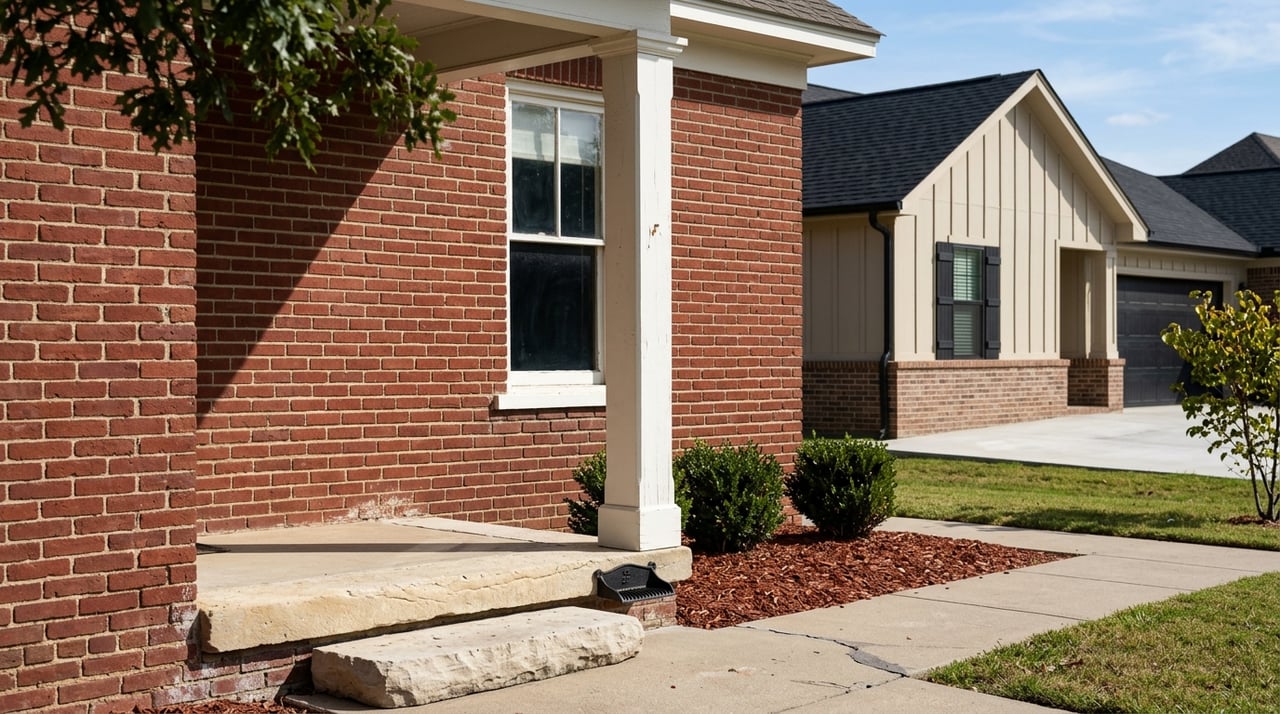
Historic homes in Guthrie often appeal to buyers who want original architecture, established streetscapes, and a strong sense of place. The Oklahoma Historical Society describes Guthrie’s built environment as a turn-of-the-century landscape with eclectic Victorian influence, which helps explain why so many buyers are drawn to older homes near downtown.
If you love details that are hard to recreate in new construction, a historic home may feel especially compelling. Older windows, wood trim, masonry, and period design features can create a look and feel that is closely tied to Guthrie’s past.
Preservation rules matter
If a home is located within the Capitol Townsite Historic District, exterior changes may be reviewed by the city’s Historic Preservation Commission. The district guidelines cover items such as masonry, wood, roofs, windows, doors, mechanical and electrical work, and even new construction.
That does not mean owning a historic home is impossible or overly restrictive. It does mean you should expect more design oversight than you would with a typical house outside the district. Before you buy, it is wise to confirm whether the home is inside the district and what types of exterior work may require approval.
Repairs can be more specialized
Historic-home upkeep often follows a different philosophy than standard remodeling. Preservation guidance generally favors repairing original features rather than replacing them outright, including items like historic windows.
For you as a buyer, that can affect both cost and decision-making. A repair may preserve the home’s character, but it can also require more planning, more specialized work, and materials that fit the home’s original style.
Lead-based paint is a real consideration
If you are considering an older Guthrie home, the age of the property matters for health and renovation planning. Homes built before 1978 are more likely to contain lead-based paint, and the older the home, the more likely lead is present.
Buyers of most pre-1978 homes are entitled to lead disclosure information and, in many cases, a 10-day period to conduct a paint inspection or risk assessment. If you plan to renovate, lead-safe work practices are also important. In a city with many homes that predate 1978 by decades, this is something you should plan for early in the buying process.
Tax credits may help some buyers
For the right project, historic-property incentives may be part of the financial picture. The Oklahoma Historical Society says state and federal tax law provides incentives for rehabilitation of historic and older buildings, and the State Historic Preservation Office is the starting point for applications.
One key point is that the federal rehabilitation credit is 20% of qualified rehabilitation expenditures, and rehabilitation does not include new construction. These programs are project-specific, so they are not automatic. Still, if you are considering a qualifying rehab, it may be worth exploring early.
Newer homes in Guthrie
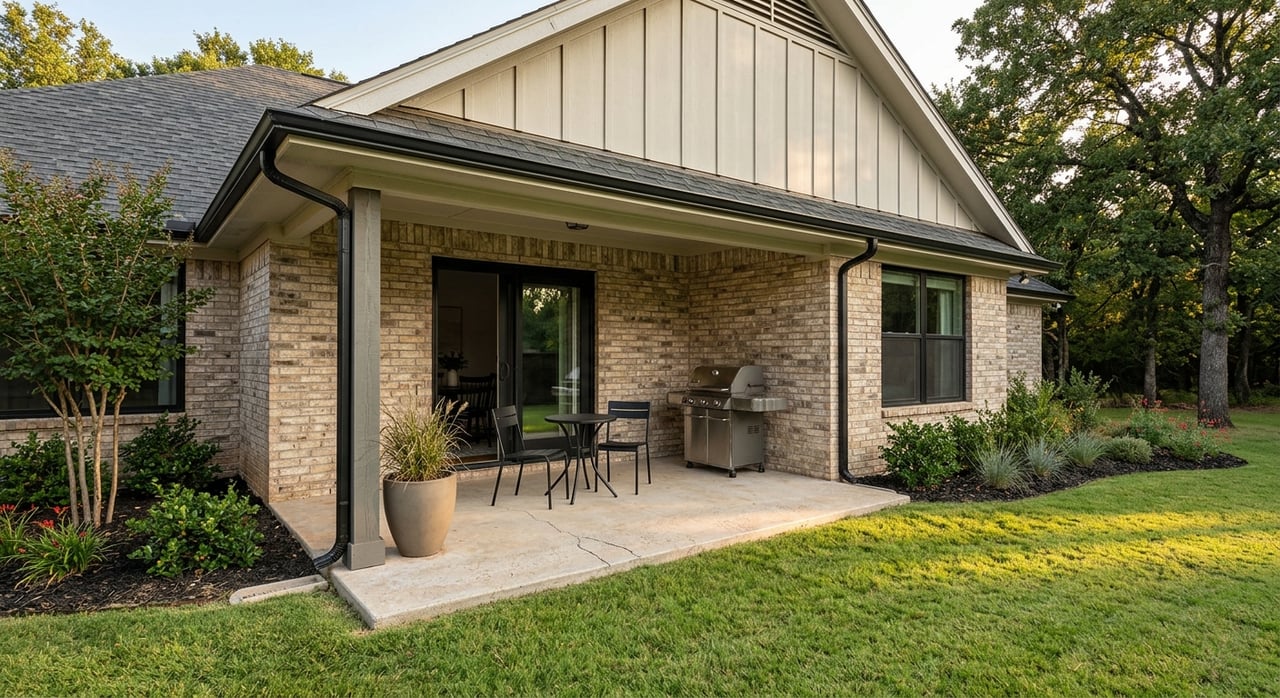
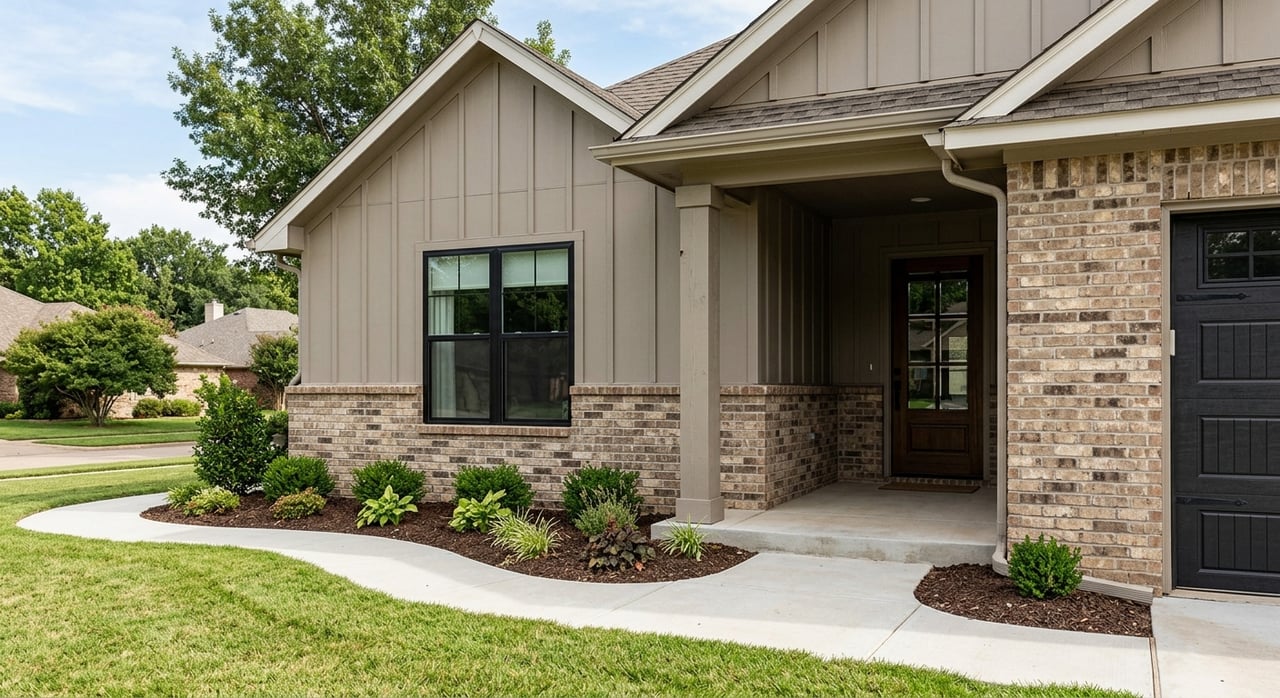
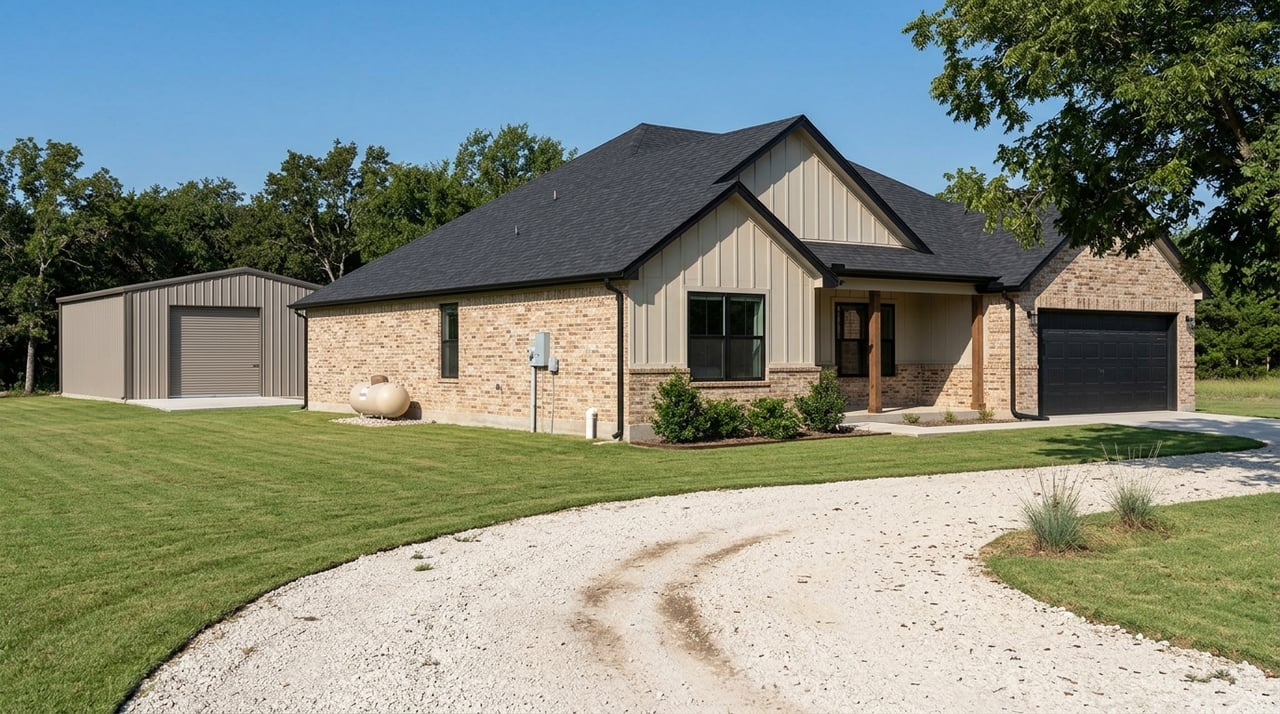
Newer homes in and around Guthrie usually appeal to buyers who want a simpler ownership experience. While every home needs maintenance, newer construction often means more current systems, fewer immediate updates, and a more predictable starting point.
That can be especially attractive if you want to move in and focus on daily life rather than a long list of repairs. In many cases, newer homes offer a smoother path to comfort, efficiency, and routine upkeep.
Permits and inspections support predictability
In Guthrie, new construction and many types of home work require permits. The city requires permits for new construction, additions, alterations, roofing, HVAC equipment, water heater replacement, and sewer or water line work.
The Building Services Division also enforces adopted codes and inspections, and work must be completed before a Certificate of Occupancy is issued. For buyers, that means a newer home is not just newer in appearance. It has also gone through a current code and inspection process.
New construction still follows local standards
Even if you are not buying in a historic setting, local rules still matter. Guthrie’s architectural design standards apply to commercial and residential construction throughout the city.
That means you should still pay attention to permit records, inspection history, and the details of how the home was built. A newer home may have fewer preservation concerns, but it should still be evaluated with care.
Energy performance is often a big advantage
One of the clearest differences between historic and newer homes is day-to-day energy performance. The U.S. Department of Energy says insulation is most cost-effective during construction, and that air sealing is critical to energy efficiency and moisture control.
For you, this often translates into fewer near-term retrofit projects and a simpler path to comfort. Newer homes may also offer a more complete whole-house approach to insulation, sealing, and system performance than an older home that has been updated in stages over time.
How to choose the right fit
The best choice depends on what kind of ownership experience you want. In Guthrie, this decision is less about which type of home is “better” and more about which tradeoffs fit your priorities.
A historic home may be the stronger match if you value architecture, downtown character, and the feeling of owning a piece of Guthrie’s story. A newer home may be the better fit if you want modern systems, fewer immediate renovation decisions, and an easier path to efficiency.
Historic homes may fit you if you want:
- Distinctive architecture and period details
- A home tied closely to Guthrie’s historic identity
- Proximity to downtown character
- The experience of preserving original materials and features
- A willingness to budget for specialized maintenance and review processes
Newer homes may fit you if you want:
- More current building systems
- A home that has gone through modern permit and inspection processes
- Fewer immediate repair or retrofit needs
- Simpler energy upgrades and day-to-day comfort
- A more predictable maintenance path in the near term
A smart Guthrie home-buying checklist
Before you decide between a historic and a newer home, it helps to ask a few practical questions. These are the issues most likely to shape your ownership experience after closing.
Questions to ask about a historic home
- Is the property inside the historic district?
- Will exterior changes need Historic Preservation Commission approval?
- What original features are still in place?
- Have repairs been made in a way that fits the home’s character?
- Does the home’s age trigger lead-paint disclosures or lead-safe renovation needs?
- Could the property qualify for a rehabilitation tax credit?
Questions to ask about a newer home
- Were major systems and improvements properly permitted?
- What inspections were completed during construction?
- Has a Certificate of Occupancy been issued?
- What is the age and condition of the roof, HVAC, and water heater?
- How does the home’s energy performance compare with older nearby properties?
Why local guidance matters
In Guthrie, small details can have a big impact on your decision. A home that looks like the perfect historic match may come with review requirements you did not expect. A newer home may offer convenience, but permit history and construction details still matter.
That is why local guidance is so helpful when you are comparing properties in different parts of Guthrie. Understanding district boundaries, city processes, and the practical tradeoffs between charm and simplicity can help you buy with fewer surprises.
Whether you are drawn to a Victorian-era home near downtown or a newer build with modern efficiency, the right move starts with a clear picture of how you want to live. If you are exploring homes in Guthrie or the surrounding area, The Davis Group can help you compare your options and move forward with confidence.
FAQs
What makes historic homes in Guthrie different from newer homes?
- Historic homes in Guthrie often offer architectural character and a strong connection to the city’s preserved past, while newer homes usually offer modern systems, current code compliance, and a more predictable maintenance experience.
Do historic homes in Guthrie have renovation restrictions?
- If a home is within the Capitol Townsite Historic District, exterior changes may be reviewed by the Historic Preservation Commission, and guidelines can apply to features like roofs, windows, doors, masonry, and wood details.
Are newer homes in Guthrie inspected by the city?
- Yes. Guthrie requires permits for many types of residential construction and system work, and the city enforces adopted codes and inspections before a Certificate of Occupancy is issued.
Should buyers of older Guthrie homes worry about lead-based paint?
- Buyers should be aware that homes built before 1978 are more likely to contain lead-based paint, and many buyers of those homes are entitled to disclosure information and time to conduct an inspection or risk assessment.
Can a Guthrie historic home qualify for tax credits?
- Some rehabilitation projects may qualify for state or federal historic-property incentives, but eligibility is project-specific and applications start through the State Historic Preservation Office.
Is Guthrie a practical option for Oklahoma City commuters?
- Guthrie is about 32 miles north of Oklahoma City, so many buyers weigh the appeal of Guthrie’s character and housing options against their commute needs.