Wondering if a “home with land” in Jones means a bigger backyard or a true acreage property? That question matters more than many buyers expect. In Jones, the difference between a platted lot and a larger tract can affect financing, inspections, utilities, future building plans, and even what you can legally place on the property. If you want to buy with confidence, it helps to know what to verify before you fall in love with the house. Let’s dive in.
What “land” means in Jones
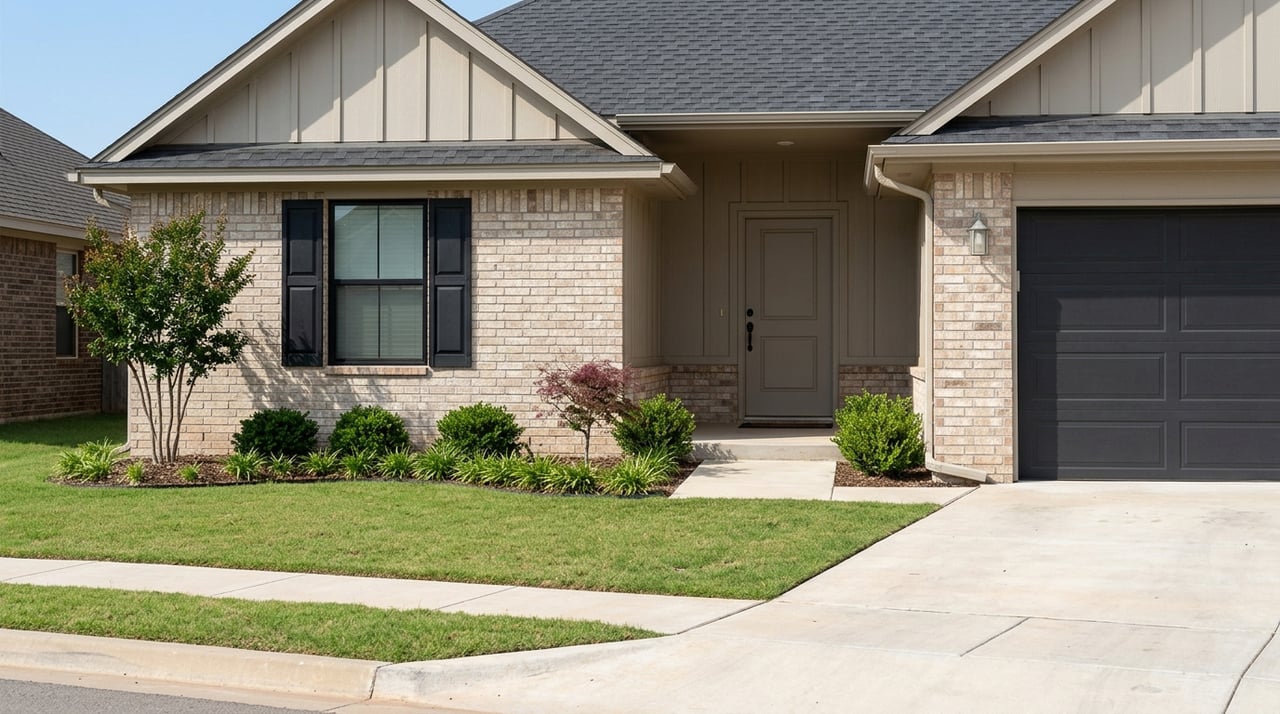
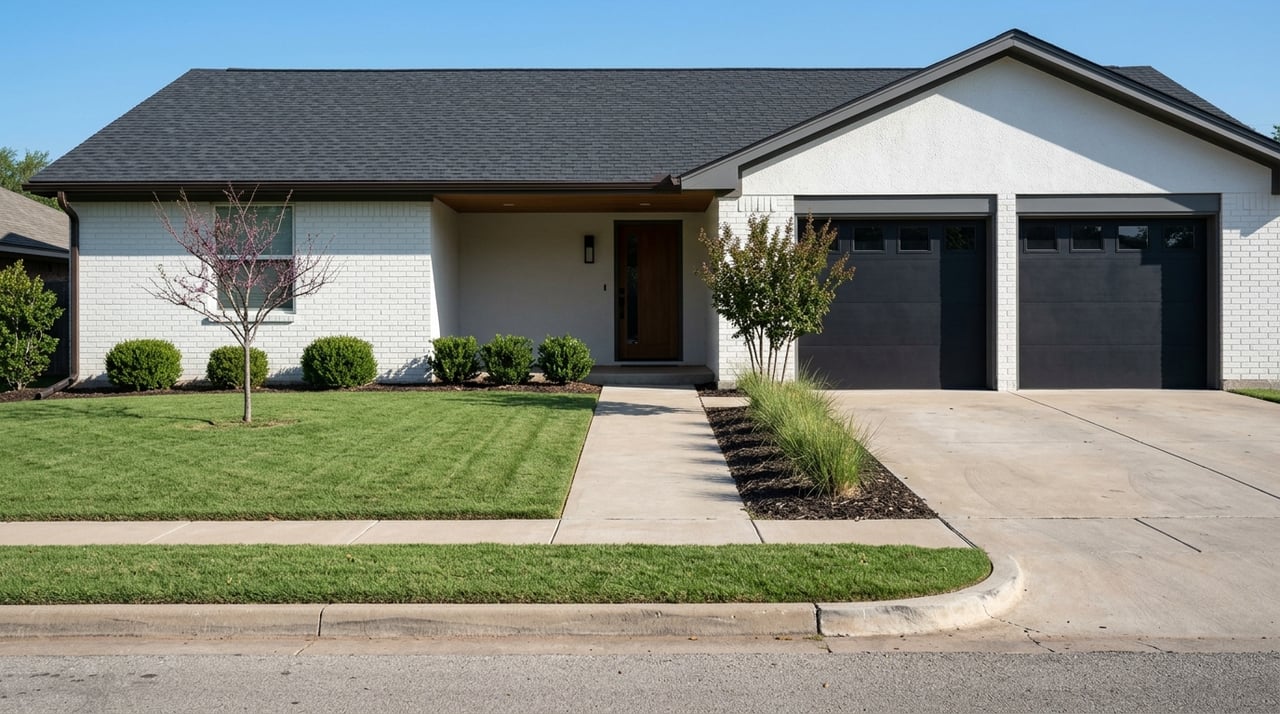
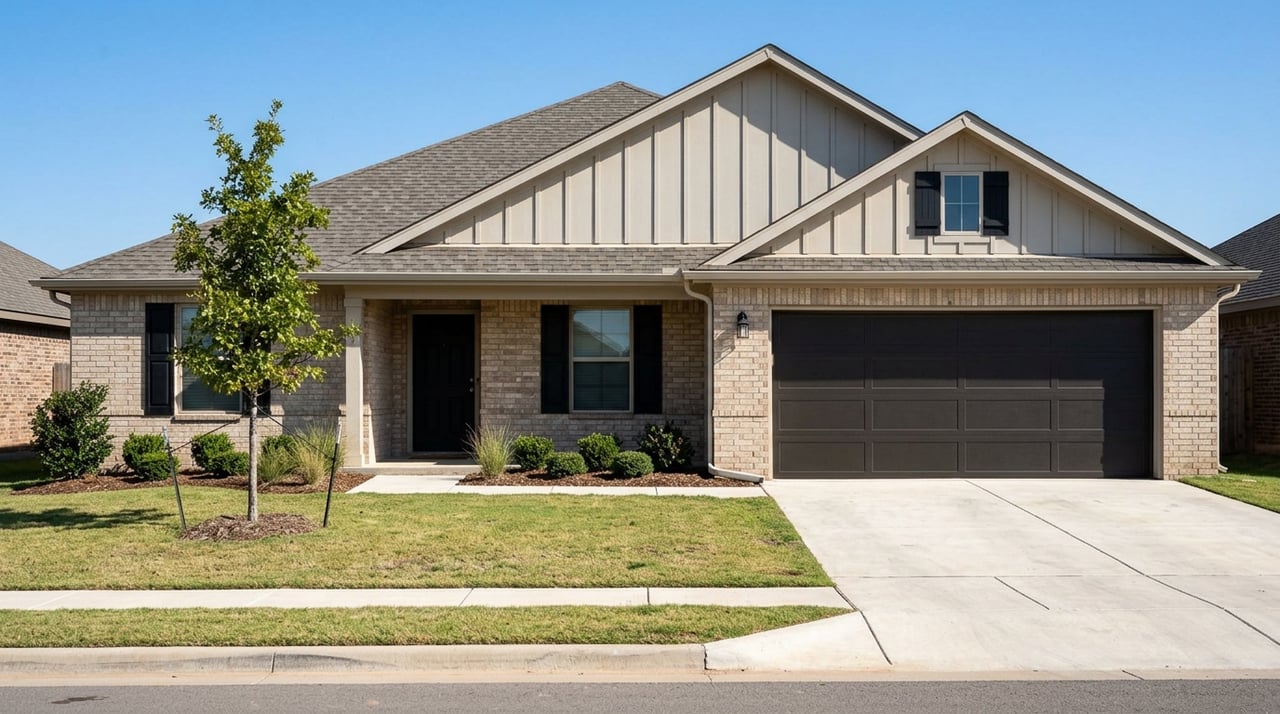
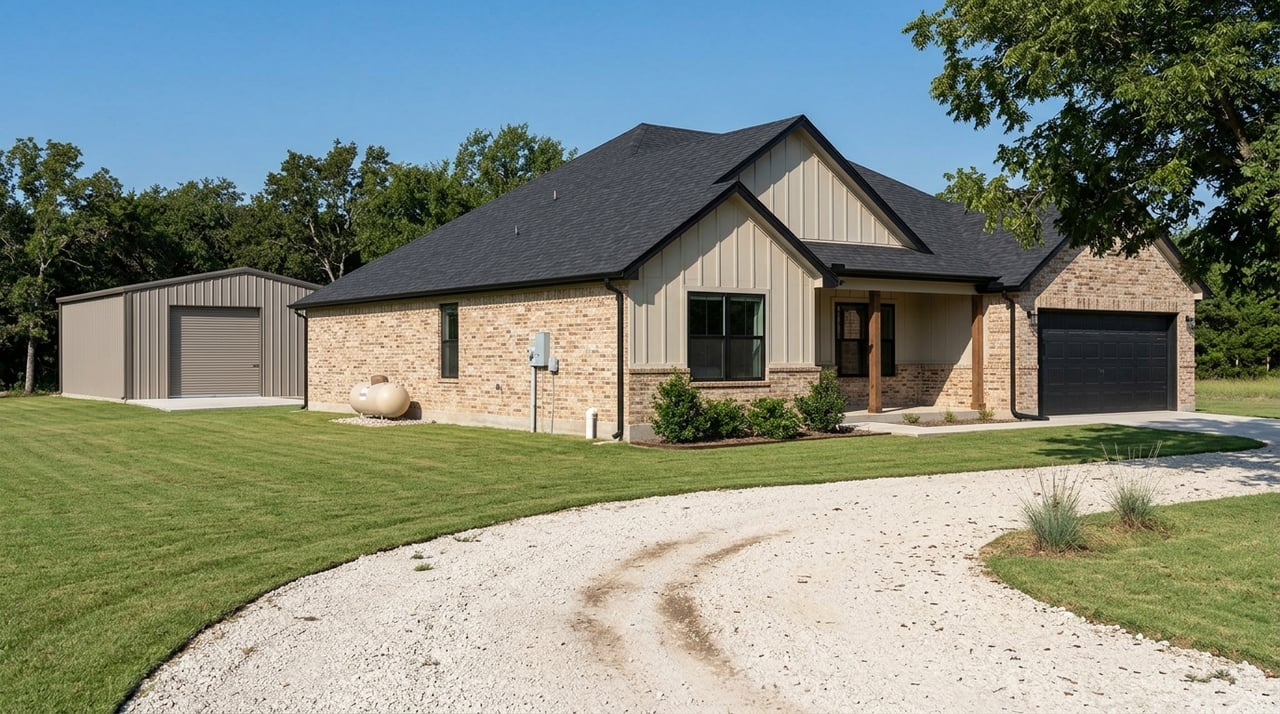
In Jones, a home with land can mean several very different property types. Public records in the area show parcel sizes ranging from about 0.1607 acres and 0.2152 acres to 0.5739, 1.78, and 4.5630 acres. That means two listings using similar wording may offer very different ownership experiences.
This is why your first step is defining what you actually want. You may be looking for extra outdoor space, room for a shop, a place for future improvements, or a true acreage property with more separation from neighbors. Your search gets much easier when you know the difference.
Jones itself reports a land area of 13.662 square miles and includes a mix of smaller residential parcels and larger tracts. For buyers, that mix creates opportunity, but it also means you should evaluate each property by its specific parcel details rather than by the listing headline alone.
Check zoning and plat status early
Acreage does not tell the whole story. In Jones, zoning and whether a property is platted or unplatted can directly affect what is allowed on the site.
A recent Jones Board of Adjustment notice involving a 1.9-acre property in the Residential Estates zoning district noted that factory-built structures are not permitted in unplatted areas under five acres unless relief is granted. The practical takeaway is simple: even if a property feels large enough for your plans, local rules may still limit what you can do.
If you are thinking about adding a shop, fence, outbuilding, or future addition, verify those plans before you close. Jones’s building inspector and zoning administrator reviews permit applications and enforces city codes and ordinances, so this is an important part of your due diligence.
Confirm boundaries with more than county maps
County parcel maps are a useful starting point, but they are not the final word on boundaries. Oklahoma County says its property maps are research tools and not a legal survey.
That matters a lot when you are buying land. A fence line, driveway location, tree row, or mowed area may not match the legal boundary. If acreage is important to your decision, rely on the deed and survey documents for final confirmation.
Oklahoma’s current land contract also states that buyers should not rely on quoted acreage. A survey is not automatically required unless selected, so if exact size or boundary location matters to you, bring that up early in the contract process.
Verify utilities before you make assumptions
One of the biggest differences between buying a typical in-town home and buying a home with land is the utility setup. In Jones, some properties may connect to town systems, while others may rely on private site systems.
Jones’s Public Works Authority says it maintains water system wells, mains, and piping to the customer meter, along with wastewater mains, the treatment facility, and natural gas mains and service meters. The town also provides trash pickup and performs monthly water testing through DEQ.
That sounds straightforward, but not every property will have the same setup. Before you buy, confirm whether the home is on public water, public sewer, natural gas, a private well, septic, or some combination. Utility questions can affect your inspection planning, maintenance costs, and future improvements.
Treat septic and well inspections as core steps
If a property is not on public sewer, septic should be one of your first inspection questions. Oklahoma Real Estate Commission standard clauses give buyers the right to have the septic system and well pump inspected, including the quality and purity of the water, by a local health authority.
For septic systems, DEQ says a soil test is required before installation, certain tests and profiles must be performed by certified or authorized people, and an Authorization to Construct must be issued before a new system is installed or an existing system is modified. DEQ also notes that periodic pumping is essential to long-term operation.
For private wells, DEQ says the owner is responsible for safe and adequate water, and routine testing is recommended. DEQ also recommends testing when flooding, land disturbance, repairs, or nearby construction change conditions.
If the property has a well, you can also review available well records through the Oklahoma Water Resources Board to look at details such as depth and yield. This can give you a better picture of how the system has functioned over time.
Understand how acreage can affect financing
Financing a home with land is not always the same as financing a typical suburban lot. Lenders and appraisers may look more closely at whether the property is residential in nature, how the site compares to nearby sales, and whether the land size is typical for the area.
Fannie Mae guidance says lenders reviewing rural or relatively undeveloped properties focus on zoning, land use, and whether the property is a normal residential property for the neighborhood. If the site is significantly larger than comparable properties, that can become part of the appraisal conversation.
This does not mean larger properties cannot be financed. It means you should be prepared for more detailed review, especially if there are limited recent comparable sales nearby or if the property includes features like barns, sheds, shops, or other outbuildings.
USDA eligibility may also come up for some buyers, but eligibility depends on both household income and the exact property location. In other words, do not assume every Jones acreage home will qualify just because it feels rural.
Outbuildings can change the value picture
On a property with land, the house is often only part of the value story. Barns, shops, sheds, corrals, irrigation equipment, and similar improvements may add function, but they can also create more appraisal and contract details.
Fannie Mae says properties with outbuildings receive special appraisal consideration. That is important if you are comparing two homes with similar square footage but very different land improvements.
Oklahoma’s land contract also addresses items that can matter on acreage properties, including portable buildings, irrigation equipment, corrals, hunting blinds, submersible pumps, pressure tanks, fuel tanks, livestock feeders, and crops. Before closing, make sure you know exactly what stays with the property and what does not.
Review flood risk and runoff history
Flood review matters on land purchases even when a property does not look obviously risky. Oklahoma’s land contract gives buyers the right to investigate flood and runoff history, and it also notes that flood insurance may be required as a financing condition if the property is in a designated flood zone.
For official flood-hazard maps, FEMA’s Flood Map Service Center is the public source. The Oklahoma Water Resources Board says the local floodplain administrator provides the final determination, and a local floodplain development permit may be needed before construction.
OWRB also notes that almost 30% of flood insurance claims occur outside the regulatory floodplain. For a Jones buyer, that makes flood review part of smart planning, not just a box to check for obviously low areas.
Plan ahead for future improvements
If you are buying land because you want future flexibility, do your homework before you close. A property may have room for a detached garage, fence, addition, or other project, but local approvals and site conditions still matter.
Jones’s building inspector and zoning administrator handles permit review and code enforcement. That means your long-term plans should include more than a rough sketch and a budget. You also need to confirm whether the improvement is allowed and what approvals may be required.
If groundwater use is part of your plan, the Oklahoma Water Resources Board says domestic household wells are exempt from authorization, but non-domestic wells require a notice of intent and approval. That distinction can become more important on larger tracts or for uses beyond normal household needs.
Build your Jones buying checklist around the parcel
The smartest way to buy a home with land in Jones is to focus on the specific parcel, not just the zip code. Two homes in the same town can have very different zoning limits, utility setups, inspection needs, and financing paths.
A practical buyer checklist often includes:
- Confirming the exact parcel size and boundary documents
- Reviewing zoning and plat status
- Verifying public utilities versus private systems
- Inspecting septic and well systems when applicable
- Checking flood maps and runoff history
- Clarifying outbuildings and personal property that will stay
- Discussing how the site size and features may affect appraisal and financing
- Reviewing permit requirements for future improvements
When you take these steps early, you reduce surprises later. That creates a smoother path from showing to closing, especially on properties where the land is a major part of the appeal.
If you are thinking about buying a home with land in Jones, having a local team who knows how to spot these details can make the process much less stressful. The Davis Group can help you evaluate the property, ask the right questions, and move forward with clarity.
FAQs
What counts as a home with land in Jones, Oklahoma?
- In Jones, that phrase can describe anything from a small platted residential lot to a multi-acre tract, so you should verify the actual parcel size and property type for each listing.
Why does zoning matter when buying land in Jones?
- Zoning and plat status can affect what structures and improvements are allowed, even if the property has plenty of acreage.
Should you get a survey when buying acreage in Jones?
- County maps are only a research tool, not a legal survey, so if boundaries or acreage matter to your decision, survey and deed review are important.
What utility questions should you ask about a Jones land property?
- You should confirm whether the home uses public water, public sewer, natural gas, a private well, septic, or a mix of these systems.
What should you inspect on a Jones property with a well or septic system?
- If the property uses private systems, septic condition, well pump function, and water quality should be part of your inspection planning.
Can buying land in Jones affect your mortgage or appraisal?
- Yes. Larger sites, rural characteristics, limited comparable sales, and outbuildings can all affect how a lender and appraiser review the property.
Do you need to check flood risk for land in Jones, Oklahoma?
- Yes. Flood and runoff review is important because flood exposure can affect insurance, financing, future construction, and long-term ownership costs.