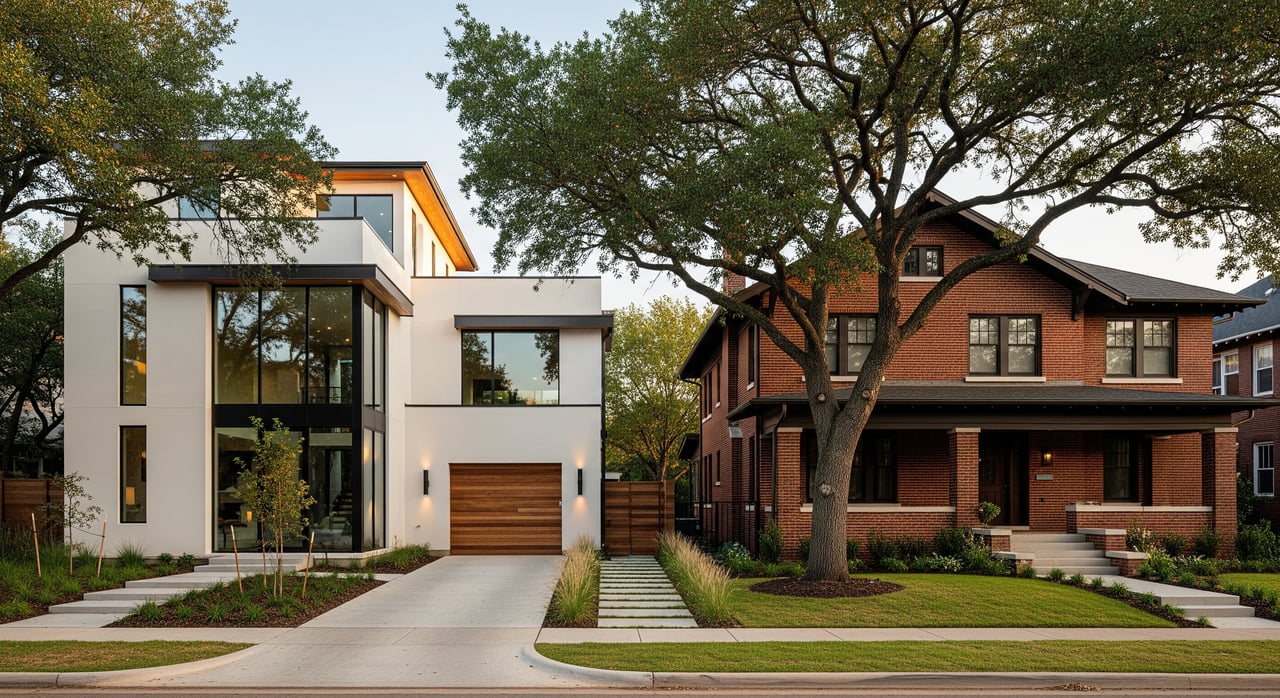
Thinking about a home in Norman and torn between a brand‑new build and a resale? You are not alone. With steady demand from the University of Oklahoma and easy access to OKC jobs, both options can make sense. In this guide, you will compare timelines, costs, customization, warranties, energy use, and future resale value, plus get a simple checklist to make a confident choice. Let’s dive in.
Norman factors to weigh
Norman’s market is shaped by the University of Oklahoma, steady rental and owner demand, and commutes into the Oklahoma City metro. Neighborhoods near campus often see consistent activity. Newer subdivisions on the edge of town offer modern layouts and amenities.
You should also watch local development. City permits and new subdivision activity influence future supply. Micro‑markets vary by age of homes, lot sizes, trees, and HOA rules. Seasonality matters too, since campus schedules and building timelines can affect availability.
Timeline: move‑in speed
New construction ranges from quick‑move homes to full build‑to‑order. You can expect roughly 1–4 months for a spec home and about 6–9 months or more for a build‑to‑order plan. Delays can happen due to permitting, weather, subcontractors, or materials.
Resale closings usually take 30–60 days with traditional financing, and can be faster with cash. Inspection, appraisal, or a sale‑of‑home contingency can add time, so plan your move date with a buffer.
Cost: sticker vs all‑in
New builds often show a higher base price per square foot but may include incentives such as closing cost help, rate buydowns, appliance packages, or curated upgrades. Make sure you understand lot premiums, selections, and change‑order fees.
Resale homes can have a lower purchase price, but you might face near‑term costs for roof, HVAC, or other systems. Inspection‑required repairs and code updates can add to the total. Weigh builder incentives on new homes against possible repairs on resales to see your true all‑in cost.
Customization and control
If you want to shape finishes and layouts, new construction gives you more control. You can choose plan options, cabinets, counters, flooring, and orientation. Keep in mind that every selection can affect budget and timeline. Clarify what is standard versus upgrade, since model homes often display higher‑end finishes.
Resale homes offer less immediate customization unless you plan a renovation. You can use financing products designed for rehab, but they add time and complexity. Consider whether you prefer move‑in ready or a home you can improve over time.
Warranties and risk
Most builders provide limited warranties. A common structure is one year for workmanship, two to three years for systems, and up to ten years for structural coverage. Terms vary by builder and warranty company, so read the contract closely. Even with warranties, it is wise to use independent inspections at key stages.
Resale homes do not include builder warranties unless you purchase a third‑party home warranty. Inspection and repair negotiations matter. Your risk mostly transfers at closing, subject to seller disclosures, so diligence up front protects you later.
Energy use and upkeep
New construction typically meets current codes with modern insulation, windows, and HVAC systems. That can reduce near‑term maintenance and operating costs. Some homes may carry certifications or ratings, which you should verify through builder documentation.
Resale homes vary widely. Older homes can have higher utility costs, but they may offer solid construction and mature landscaping. Ask about the ages of mechanical systems and expected replacement timelines.
Resale value in Norman
Future value depends on location, lot quality, floorplan, finishes, and builder reputation. Proximity to OU and access to job centers support steady demand, but resale value is always tied to recent comparable sales in the immediate area.
New homes can carry a short‑term premium. Over time, value tends to be driven by neighborhood maturity and demand. Established neighborhoods with strong amenities and clear demand often hold value well. Compare comps in your target area before deciding.
Financing basics
For new construction, you might use a construction loan or a one‑time close construction‑to‑permanent loan. Loan availability and requirements vary by lender, and appraisals can be challenging if there are few comparable new sales nearby.
Resale purchases typically use conventional, FHA, or VA loans. Appraisals may be more straightforward due to better comparable sales data. If you plan updates, look into renovation financing options that combine purchase and rehab costs.
Inspections and due diligence
On new builds, plan independent inspections at key stages such as pre‑pour foundation, framing, pre‑drywall, and final. Ask to verify permits and the certificate of occupancy. Walk the site to observe drainage, framing alignment, and finish quality.
For resale homes, order a standard home inspection and add specialists as needed, such as roof, HVAC, termite or pest, sewer scope, or environmental checks for older properties. Review seller disclosures and any available permit history.
Contracts and HOAs
Builder contracts are different from standard purchase agreements. They set allowances, selections, change‑order rules, warranty coverage, and milestone dates. Ask for details on deposits, refund terms, and how delays are handled.
Both new and resale homes can be in HOAs. Newer subdivisions often have covenants, design guidelines, and landscape rules. Fees can change over time, and special assessments can occur. Always read the CC&Rs and budgets before you commit.
Insurance, taxes, flood risk
Property taxes on new builds can rise as assessed values update. Review local tax records for estimates. New systems may help insurance premiums, but location and weather risks matter most. Confirm your coverage needs early in the process.
Check flood risk for any specific lot or home. If a property is in a higher‑risk flood zone, a lender may require flood insurance. Factor this into monthly costs when you compare options.
Decision checklist
Use these yes or no questions to narrow your choice:
- Do you need to move within a fixed timeframe? If yes, consider resale or a quick‑move spec home.
- Do you want deep customization of finishes or layout? If yes, a new build fits best.
- Are you uncomfortable with construction timeline uncertainty and change orders? If yes, choose resale.
- Do you want lower near‑term maintenance and newer mechanicals? If yes, choose new.
- Is neighborhood resale performance more important than brand‑new finishes? If yes, choose resale.
- Do you want warranty protection in the first years? If yes, choose new.
- Do you value mature trees and established landscaping? If yes, choose resale.
Buyer profiles
- Profile A: Need it now, low hassle. A resale or quick‑move spec home is the best fit. Focus on homes with recent updates and simple escrow timelines.
- Profile B: Customized dream home. You have a flexible timeline and want to choose finishes. A new or semi‑custom build works best.
- Profile C: Investor near OU. Both paths can work. New builds attract tenants with modern features, while resales near campus may have proven rental histories.
- Profile D: Budget minded, low maintenance. A resale with recent major updates can be cost‑effective. Compare total cost of ownership, not just price.
Run the numbers
Create an all‑in comparison for your top choices:
- New build: base price + lot premium + selections and change orders + closing costs + moving + HOA fees + any rate buydown cost.
- Resale: price + inspection‑required repairs + near‑term replacements (roof, HVAC, water heater) + closing costs + moving + HOA fees.
Then compare monthly carrying cost for similar homes, including mortgage, taxes, insurance, HOA, and utilities. This side‑by‑side view helps you see the better long‑term fit.
How to tour new builds
- Ask for the exact spec sheet showing what is included versus upgrades.
- Request a milestone schedule for foundation, framing, roofing, mechanicals, inspections, and final.
- Confirm warranty coverage in writing, including exclusions and claim steps.
- Verify whether the model home reflects standard materials or upgrades.
- Walk the site if allowed and observe drainage, grading, and workmanship.
- Ask about the builder’s subcontractors, past projects, and recent buyer references.
- Clarify how fees and pricing work for any change orders.
How to tour resales
- Ask about the ages of roof, HVAC, water heater, electrical panel, and plumbing.
- Look for signs of water intrusion, foundation movement, and drainage issues.
- Review seller disclosures, permit history for renovations, and recent utility records.
- Consider additional inspections such as termite or pest, sewer scope, or other specialists based on the home’s age and systems.
Negotiation tips
- New builds: Focus on meaningful concessions such as closing cost help, mortgage rate buydowns, or upgrade credits. Get all promises in writing with signed addenda.
- Resales: Use inspection findings to negotiate price reductions or repair credits. Compare active and recent sales to support your offer.
Next steps in Norman
- Decide your timeline and top priorities using the checklist above.
- Shortlist target neighborhoods based on commute, daily needs, and budget.
- Price out both paths using the all‑in cost and monthly comparison.
- Line up financing and preapproval early, especially for new builds.
- Schedule tours for both options to see how each feels in person.
If you want a local, side‑by‑side plan for Norman’s micro‑markets and current builder options, we are here to help. Reach out to The Davis Group for neighborhood guidance, on‑the‑ground touring, and a clear path from offer to close.
Ready to compare your top choices in Norman and make a confident move? Contact The Davis Group for a personalized plan and next steps.
FAQs
Should I get an inspection on a new build in Norman?
- Yes. Independent inspections at stages like pre‑pour, pre‑drywall, and final walkthrough often catch items that standard punchlists miss.
How long does new construction take in Norman?
- Quick‑move spec homes can be 1–4 months to close, while build‑to‑order plans often take 6–9 months or more depending on permits, weather, and materials.
Do new homes in Norman appreciate faster than resales?
- Not necessarily. Long‑term value depends on location, neighborhood maturity, school boundaries, lot quality, and comparable sales in the area.
Can I negotiate with a builder in Norman?
- Builders may limit base price changes but often offer incentives such as closing cost help, mortgage rate buydowns, or upgrade credits.
What extra costs should I expect on a new build?
- Common items include lot premiums, selections and change‑order fees, HOA initiation, and any costs tied to financing incentives like rate buydowns.
What should I check first on a resale home?
- Focus on roof, HVAC, water heater, electrical and plumbing, plus signs of water intrusion, foundation movement, and drainage issues.