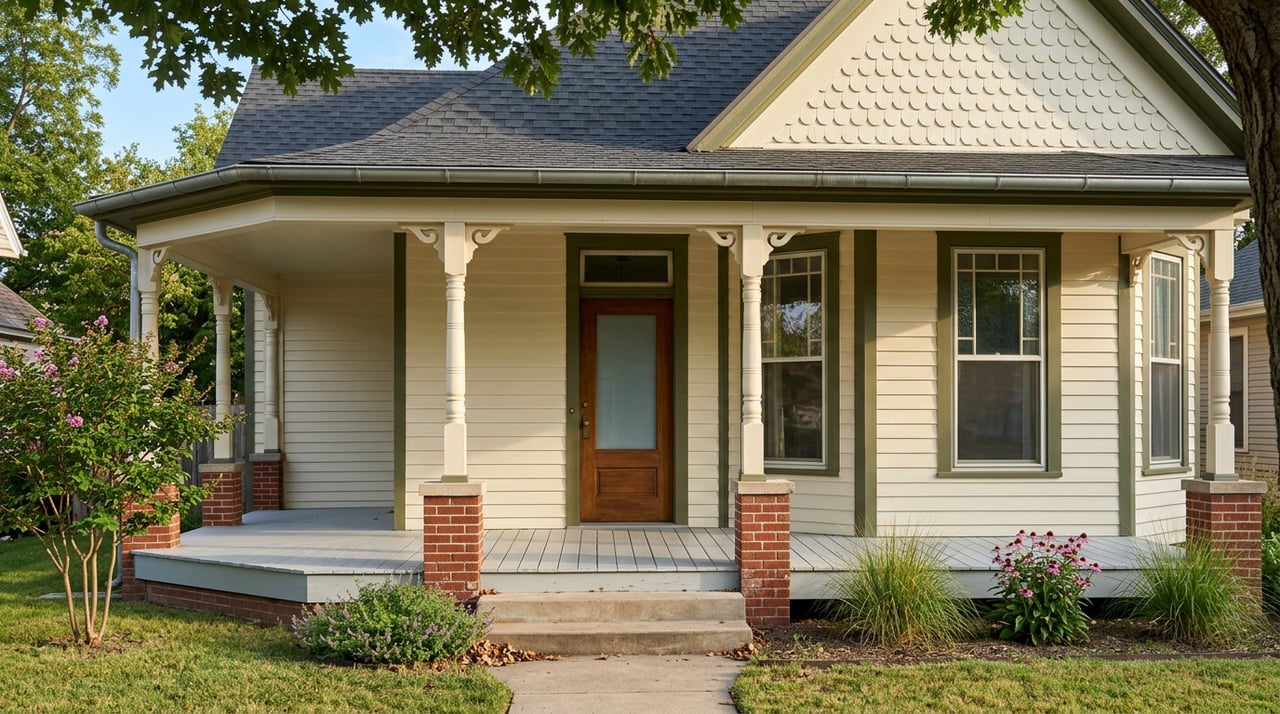
If you love the idea of owning a home where history lives in the details, Guthrie belongs on your short list. From ornate porch brackets to pressed‑tin ceilings, you see the late‑1800s everywhere you look. At the same time, you get small‑town ease, quick access to Oklahoma City, and a calendar full of community events. In this guide, you’ll learn how Guthrie’s historic character translates into day‑to‑day living, what types of homes you’ll find, cost and commute context, and what to know before you buy. Let’s dive in.
Why Guthrie draws you in
Guthrie blends old‑world charm with everyday practicality. The Census Bureau estimates the city’s population at about 11,682 in 2024, up from 10,749 in 2020, which signals steady, manageable growth you can feel on the streets without losing small‑town pace. You can confirm these figures on the Census Bureau’s QuickFacts page for Guthrie.
Commuting is straightforward. Guthrie sits roughly 33 miles north of Oklahoma City along I‑35, and average travel times hover around 24 minutes, which supports its role as a commuter base for some residents. If you are mapping out the drive, check the route from Guthrie to Oklahoma City on Travelmath for context.
Most of all, Guthrie’s downtown is nationally recognized for its intact late‑19th and early‑20th‑century architecture and role as the territorial and first state capital. The core historic district has recognition as a National Historic Landmark for its exceptional integrity and significance.
Historic architecture at your doorstep
Downtown’s significance
Guthrie rose quickly after the 1889 Land Run and served as the territorial capital and the first state capital before the seat moved in 1910. The period from 1889 to 1910 produced a dense downtown of brick and stone commercial buildings that still reads as a living streetscape today. That integrity and story are the reason the district holds National Historic Landmark status documented by the National Park Service.
Architecturally, you will see Late Victorian commercial blocks with Italianate and Romanesque details, plus early 20th‑century revival and commercial styles. Architect Joseph P. Foucart is often credited with several of the most recognizable facades in town, and many civic landmarks and museum buildings contribute to the overall fabric. For a helpful overview of these styles and the district’s makeup, explore the Guthrie Historic District entry on Wikipedia.
Residential styles you’ll see
Just beyond the commercial core, near‑downtown streets feature single‑family homes from the late 19th and early 20th centuries. You will find Queen Anne and High Victorian silhouettes with towers and wraparound porches, American Foursquares with broad porches and symmetrical lines, Colonial Revival details, and early Craftsman and Bungalow forms. Many of these homes retain original millwork, wood windows, and porch columns that make them feel special. When you walk these blocks, you get the sense that Guthrie has kept its bones intact in a way that is rare in small cities.
Neighborhoods and home types
Walkable core living
If you want to live steps from coffee, antiques, and festivals, focus on the historic core and adjacent residential blocks. Lots are typically smaller and homes are older, which is part of the appeal. Central blocks score as very walkable on Walk Score, so you can plan on regular strolls to shops and events when you live near the Oklahoma Avenue corridor.
Suburban edges and new builds
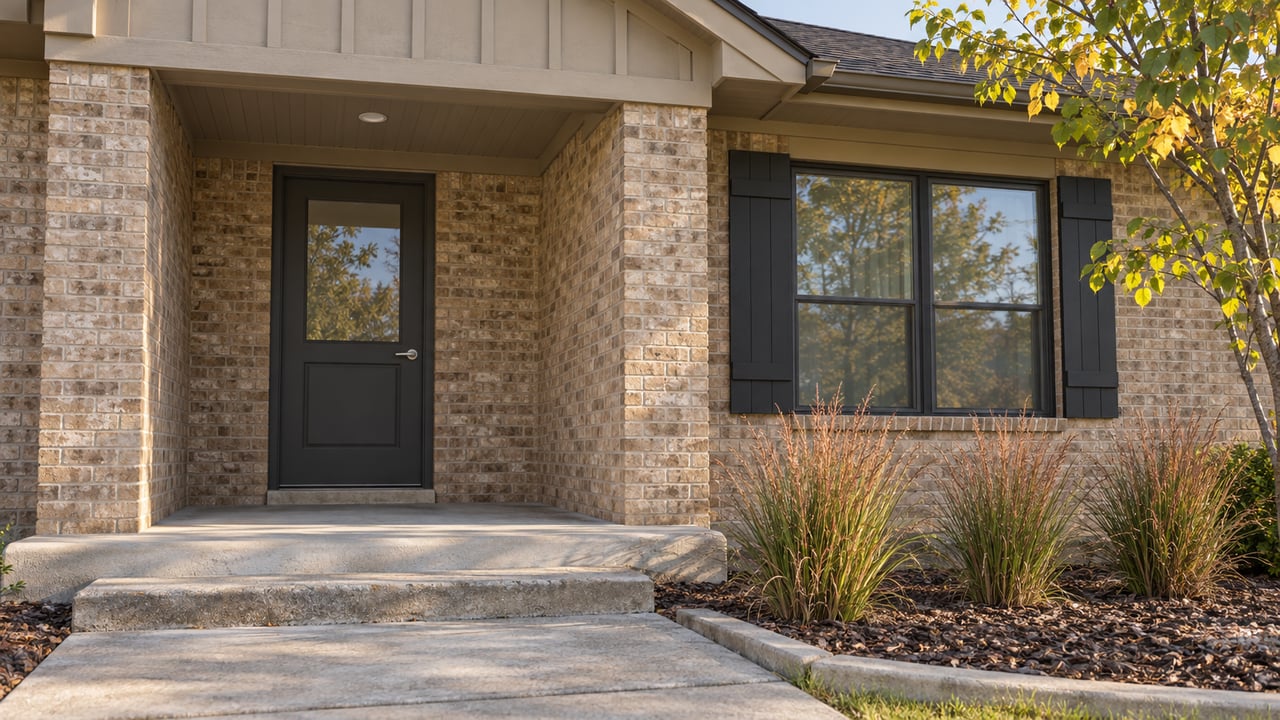
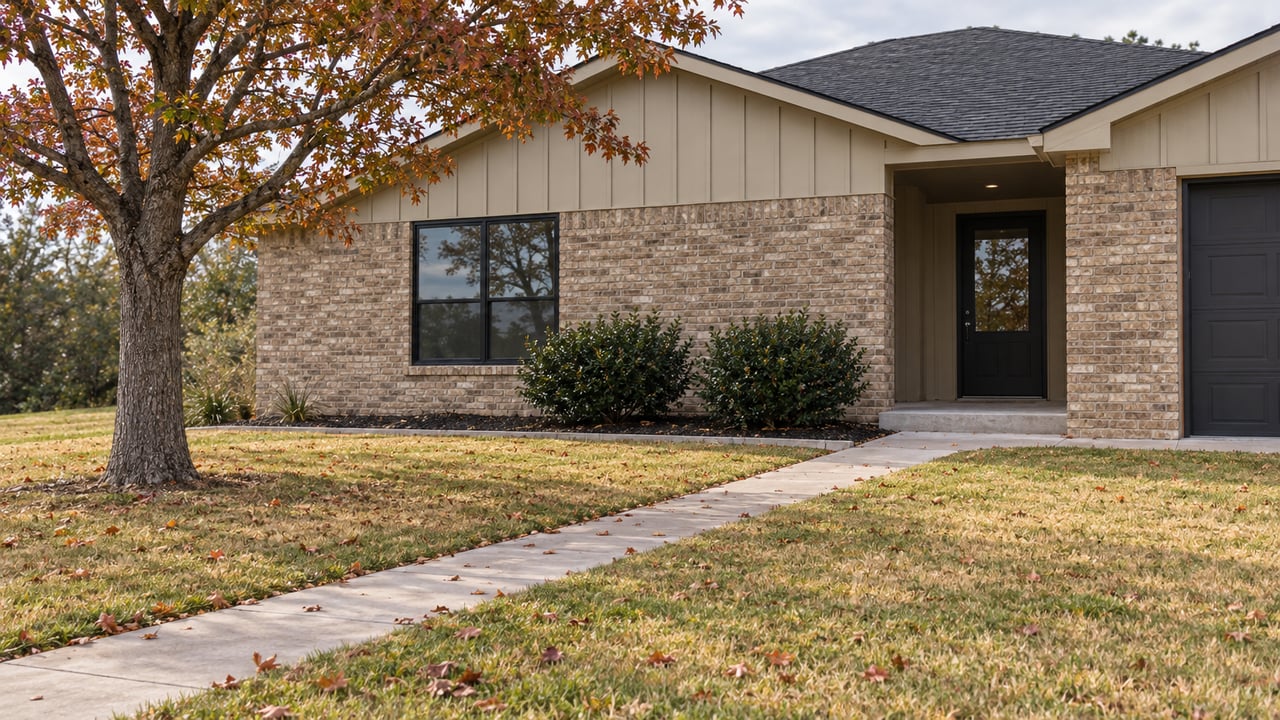
Prefer a modern floorplan and bigger yard? Guthrie has newer subdivisions and one‑off builds that fan out from the center, often near major routes like I‑35 and state highways. Expect garages, open kitchens, and more car‑dependent living. This pattern is common in towns that carefully preserve a historic center while growing outward with contemporary housing.
What homes cost
Published snapshots place typical home prices in Guthrie in the low‑to‑mid $200,000s, but medians can shift by month and by source. Certain neighborhoods or smaller sets of sales can temporarily show higher or lower medians. Because the market moves, plan to confirm current figures with on‑the‑ground MLS data and recent comparable sales before you make an offer. A local agent can help you read between the lines.
Life in Guthrie
Culture and events
Guthrie’s downtown is not a museum. It is an active, walkable district with independent shops, antiques, eateries, and civic anchors like the Oklahoma Territorial Museum housed in the former Carnegie Library. The calendar comes alive in late fall and winter with the city’s Territorial and Victorian‑themed celebrations. The Lighted Christmas Parade and seasonal home tours showcase the town’s architecture and draw visitors from across the metro. You can preview the spirit and schedule by exploring the Victorian Christmas programming overview.
Outside the holidays, you will find regular walking tours, seasonal events, and community gatherings that keep downtown busy. Many residents choose Guthrie precisely because they want to live where local history is not only preserved but used.
Buying a historic home
Permits and design review
Guthrie takes preservation seriously, and that benefits long‑term value. If you are purchasing inside the Capitol Townsite Historic District, expect exterior changes to require review. The City’s Historic Preservation program and Commission oversee permits and design standards within the district. Before you plan a porch rebuild, window replacement, or new siding, check the City of Guthrie’s Historic Preservation page and talk with staff about what needs approval.
Inspections and safety
Older houses have character, but they also come with systems to check carefully. Plan on a full home inspection and bring in specialists as needed for foundation, roof, chimney, HVAC, electrical, plumbing, and pest issues. Many pre‑1940 homes have undergone updates, but some may still need panel upgrades, knob‑and‑tube removal, or plumbing replacement.
If the home was built before 1978, federal law requires lead‑hazard disclosure, delivery of the EPA/HUD lead pamphlet, and a 10‑day opportunity for testing. Understanding your rights and options is part of a smart purchase. Learn more about the Residential Lead‑Based Paint Hazard Reduction Act on the EPA site.
Financing and incentives
If you plan to renovate, it can be smart to combine purchase and rehab in one loan. The FHA 203(k) program is a long‑running option that lets you finance improvements alongside your mortgage, which helps you tackle larger projects without juggling separate loans. Read the FHA 203(k) consumer fact sheet to see how it works and what qualifies.
For income‑producing historic properties, the federal Historic Rehabilitation Tax Credit offers a 20 percent credit on qualified rehabilitation expenses when projects meet the Secretary of the Interior’s Standards and secure approvals through the National Park Service and the State Historic Preservation Office. The National Park Service summarizes the program and its impact here.
Oklahoma also operates a state historic rehabilitation tax credit that has supported projects across the state. Program details change over time, so review the state’s evaluation summary and consult current guidance to understand eligibility. Always talk with a tax professional before relying on credits for your project budget.
Smart next steps
Use this quick checklist to go from dreaming to doing:
- Walk the neighborhoods you like during different times of day to get a feel for traffic and activity.
- Attend a signature event, like Guthrie’s Victorian Christmas, and tour a few historic homes if available.
- Confirm whether your target address is in the historic district and review the City’s preservation guidelines before planning exterior changes.
- Price your wish list with a full inspection plus quotes from contractors familiar with historic materials and methods.
- Explore renovation financing early if the home will need updates, including the FHA 203(k) option.
- Visit the Oklahoma Territorial Museum to learn more about Guthrie’s story and architecture.
If you are drawn to Guthrie’s character but want help balancing charm, commute, and cost, you are not alone. Our team helps buyers and sellers across the Oklahoma City metro navigate older homes, newer builds, and everything in between. When you are ready to explore listings or compare neighborhoods, reach out to The Davis Group for local guidance and a smooth plan from search to closing.
Ready to talk strategy for buying or selling in Guthrie or nearby suburbs? Connect with the neighborhood‑focused pros at The Davis Group to start your move with confidence.
FAQs
Is Guthrie a practical commute to Oklahoma City?
- Yes. Guthrie sits about 33 miles north of Oklahoma City by road, and the Census reports an average commute time near 24 minutes for residents, depending on routes and traffic.
What historic home styles are common in Guthrie?
- Near‑downtown blocks feature Queen Anne and High Victorian homes, American Foursquares, Colonial Revival designs, and early Craftsman and Bungalow forms with preserved period details.
Are there special rules for renovating in Guthrie’s historic district?
- Yes. Exterior changes within the Capitol Townsite Historic District often require review and permits through the City’s Historic Preservation program, so check requirements before starting work.
What should I inspect with older homes?
- Plan for a full inspection plus specialists as needed for foundation, roof, electrical, plumbing, HVAC, and pest issues, and review lead‑based paint disclosures for pre‑1978 homes.
How can I finance purchase plus renovation?
- Consider the FHA 203(k) loan, which combines purchase and rehab in one mortgage, or a conventional renovation product; confirm details with your lender and budget carefully.
How walkable is downtown Guthrie?
- Central downtown rates as very walkable on Walk Score, while outlying neighborhoods are more car‑dependent, so your experience will vary by location.
What local events highlight Guthrie’s historic charm?
- The Victorian‑themed Territorial Christmas season, Lighted Christmas Parade, and periodic home tours showcase the architecture and keep downtown lively throughout the holidays.